
What if I told you that a single painting hidden in plain sight could be worth more than a million dollars? In an art world filled with stories of lost masterpieces and stunning discoveries, this isn’t just a fairy tale.
With the art market hotter than ever, collectors are finding opportunities in unexpected places. In recent years, the demand for fine art has skyrocketed, making now the perfect time to uncover its secrets.
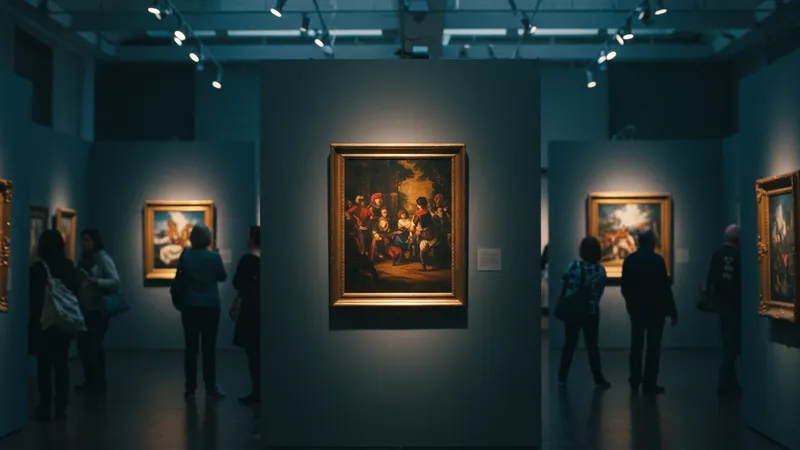
Imagine a world where paintings become more lucrative than stocks and bonds. According to recent studies, blue-chip art can yield impressive returns. This isn’t merely speculation; billionaire investors are funneling millions into art. But that’s not even the wildest part…
In one striking auction, a seemingly modest painting sold for an astronomical sum, shaking the art world to its core. The reason? It harbored a hidden legacy that experts had overlooked for decades. Some call it luck, but others believe there's a method to uncovering such treasures. But that’s not even the wildest part…
What happens next shocked even the experts. The hidden truths behind these masterpieces reveal more than their aesthetic and financial value; they hold keys to understanding our past and shaping our future. Ready to discover what hides behind the canvas?
Every piece of art tells a story, yet some stories remain hidden for centuries. Did you know that countless paintings conceal previous versions beneath their visible layers? X-ray technology reveals that many canvases were recycled by artists, covering earlier works they or others discarded. This discovery is compelling because it suggests that what you see is not always what was originally intended. But there's one more twist...
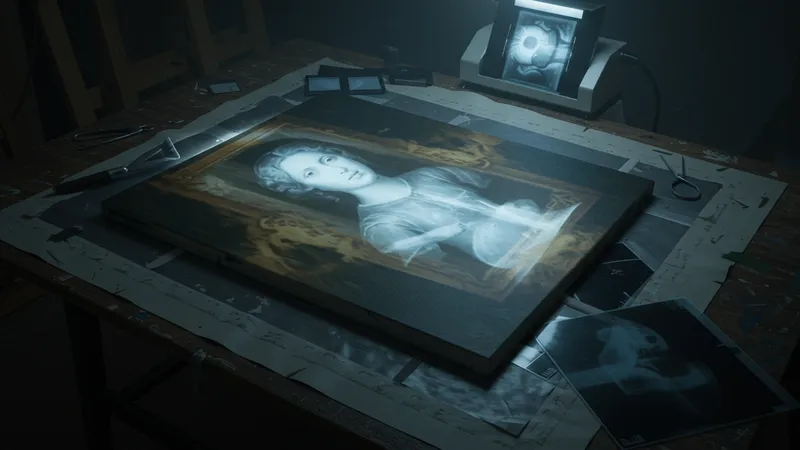
Layers of paint are not just mistakes hiding below the surface; they are a testament to the evolving nature of art itself. Restorers often uncover older artworks that tell a more profound story—an insight into the artist's journey and the times they lived in. This revelation shifts our understanding, indicating that paintings are less static than we perceive. But there's another layer we must unravel...
Insiders in the art restoration world have long known about this practice. Now, collectors and enthusiasts view these discoveries as an added dimension of value. Sometimes, a background layer holds more historical or artistic significance than the visible one. But what you read next might change how you see this forever...
With technology advancing, even more secrets surface with modern techniques like infrared scanning. Enthusiasts are drawn to the art world with the promise of uncovering hidden layers that might just redefine masterpieces. Imagine acquiring a painting at face value, only to later find another "masterpiece" lurking underneath!
Imagine spending millions on a piece of art, only to find it’s a well-executed fake. Sadly, this isn't as uncommon as one might hope. The art world is no stranger to counterfeits, with some estimates suggesting that over half of all artworks in circulation could be inauthentic. What makes the situation more intriguing is the elite groups who deliberately trade in these fakes.
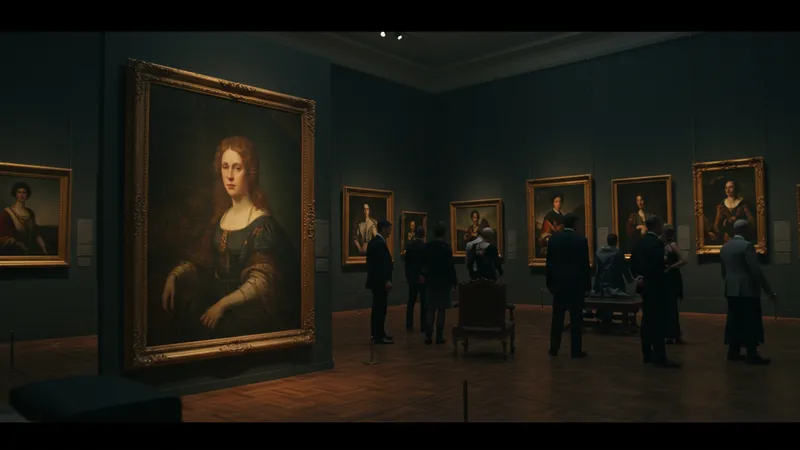
Becoming deviously adept at their craft, these forgers have fooled even top experts and seasoned collectors, thanks to painstaking methods that replicate aging processes and precise artistic techniques. This deception isn’t just a simple con—it’s an elaborate dance that involves art, science, and psychology. What happens when a forgery fetches millions at auction?
Exposing forgeries involves more than just examination under a microscope. Sleek new technologies are developed specifically to verify authenticity, from materials analysis to digital databases of artist signatures. These tools are invaluable for art collectors who wish to ensure their investments are legitimate, but there's another side to this story...
Some collectors are intrigued by the forgeries themselves, considering them artificial art forms worthy of recognition. It’s a stark departure from traditional views, giving rise to an underground appreciation. Collectors now dabble in this gray area of ‘acceptable forgery,’ challenging the notion of what makes art valuable.
For art collectors, it’s not just the cost of acquisition that should be top of mind. Hidden fees can accumulate quickly, making the price paid just the tip of the iceberg. Buyers often overlook factors such as insurance, restoration, and maintenance, and unexpectedly high premiums can shock naïve investors.
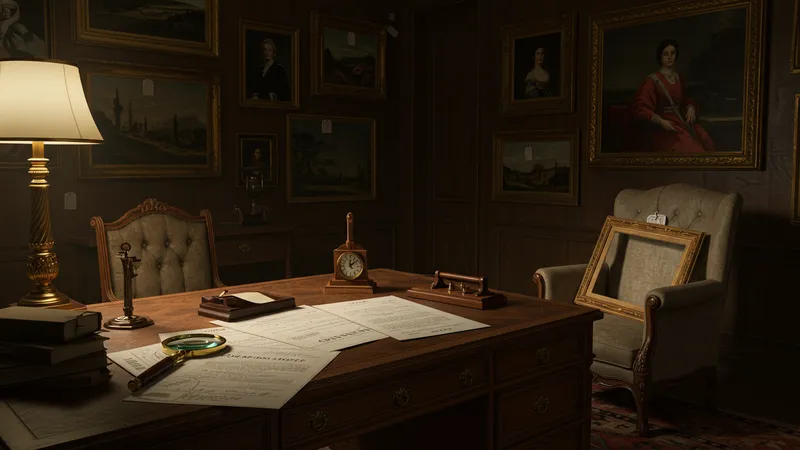
Insurance for fine art is a significant consideration, often requiring expert appraisals and specialized policies. The average cost of insuring a piece of renowned art can account for anywhere from 1% to 2% of the artwork’s value annually. It doesn’t sound like much at first, but over time, it adds up to a substantial investment.
Beyond insurance is the sometimes astronomical cost of restoration. As pieces age, they might require professional upkeep to preserve their integrity and beauty. The delicate nature of restoration means that only skilled artisans can perform the work, inevitably driving up costs. But there’s more to this price tag than just figures...
You might also need a safe climate-controlled space to house your collection. HVAC systems might need full upgrades to maintain the perfect conditions. The power cost of regulating these atmospheric parameters can run high, often surprising new collectors. Art collecting might seem glamorous, but it's not without its hidden financial burdens.
Provenance, the history of ownership of a piece of art, can significantly influence its value. Collectors in the know understand that a well-documented history can add zeros to an artwork's price tag. This isn’t just a matter of paperwork; it’s a riveting plunge into art's historical journey.
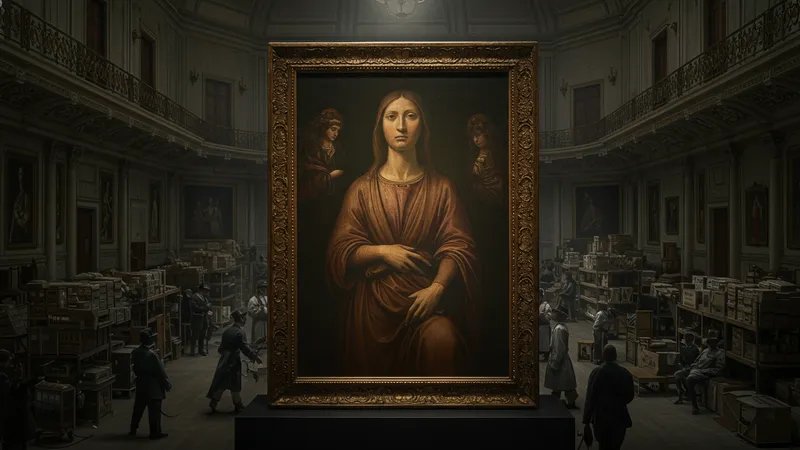
Take the Leonardo da Vinci’s “Salvator Mundi,” for example. Its travel through various hands, from nobility to lost warehouses, adds an aura of mystique. Pieces with an intriguing backstory are more likely to fetch high prices at auction, as collectors are often as invested in the story as in the art itself.
Yet, the path to authenticating provenance can be a winding road. Fraudulent documents have previously led to inflated prices or fraudulent sales, so it’s crucial to have agreements verified by experts. This meticulous process ensures legitimacy and boosts confidence in a purchase.
Many art collectors narrate how their discoveries unravel the grand stories locked within the pieces they acquire. When a work's provenance is discovered to be shared with legendary owners, its mystique—and therefore financial worth—increases. There’s more than meets the eye in the provenance of a masterpiece.
What drives these high-value collectors, and what are their secrets? For some, it’s not just about the art itself but a game of legacy and historical impact. Collecting becomes a part of a personal narrative passed down through generations, like an epic tale spun over centuries.
This isn’t merely an affluent pastime. High-stakes acquisition is as much a psychological endeavor as a financial one. Collectors often experience a visceral connection to art that defies logic, compelling them to make audacious bids. Could this buying behavior be driven by more primal instincts?
An insider tip from seasoned collectors tells us that having a keen eye isn't enough. Networking plays an unspoken but pivotal role in acquiring desirable works. Auction houses, private galleries, and art consultants advise via VIP access, giving certain individuals the upper hand in acquiring exclusive pieces. But there's a secret yet to unfold…
While contacts and connections matter, the real key lies in knowledge—an in-depth understanding of art trends and historical contexts. Art collecting crosses into the realms of academia, investment, and human emotion. This complex set of skills and relationships creates both challenges and opportunities for the determined collector willing to learn the ropes.
One might imagine that securing a multimillion-dollar piece is straightforward, but art dealers know there's much more to it. Negotiating art prices is an art itself, demanding wit, patience, and sometimes, surprising acumen akin to playing chess or poker.
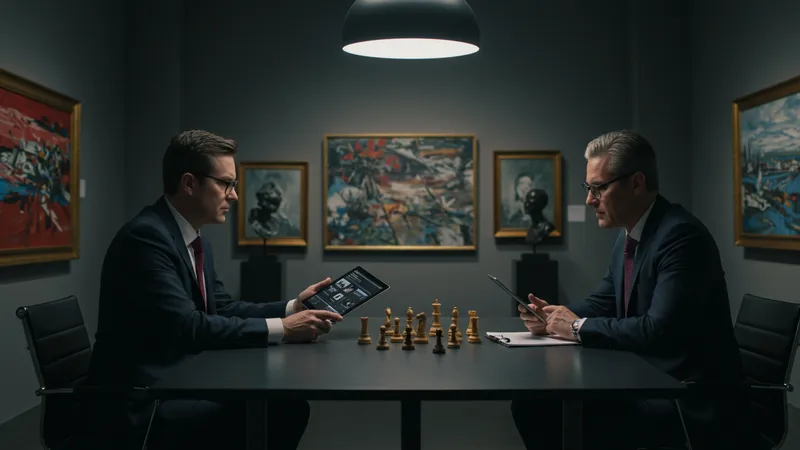
The process often involves extensive research, convincing both sellers and buyers of mutual benefits. Experienced negotiators research artist backgrounds, current market conditions, and even the future potential before entering talks. This preparation provides insight into what might be possible with a negotiation.
Seasoned collectors reveal that negotiations can be just as thrilling as the art itself. There’s the push, the pull, a moment of suspense—this tension is magnetic to art enthusiasts. A successful transaction leaves not only satisfaction but a story worth retelling across art business circles.
The realization is clear: Negotiating requires creativity akin to the art it involves. It’s not just about price; it is about recognizing and seizing the right moment. This dynamic process, a dance between buyer and seller, leaves many underestimating the strategic complexity behind these deals.
Not all art treasures reside in museums and galleries. An undiscovered segment of the art market lurks in estate sales, little-known auctions, and even mundane thrift shops, which hide gems waiting for sharp-eyed seekers.
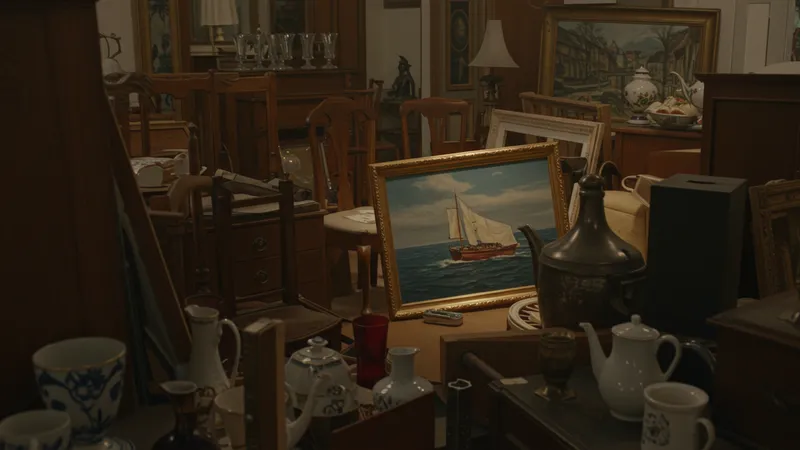
Collectors and treasure hunters who think outside the box have discovered masterpieces in the most unexpected places. The thrill of the hunt becomes the art itself—filled with adrenaline, chance, and discovery. Ever heard of an old junk store find that turned into a major auction sensation?
Imagine walking into a dusty old shop and leaving with what could best be described as buried treasure on canvas. Such stories prove the world is still filled with wonders waiting for someone with curiosity and patience to find them. This isn’t just luck; it’s strategic exploration in uncharted territories.
Many collectors will confess the allure of sifting through dusty piles in tucked-away urban corners or aged rural barns. It's the mystique, the unknown, the potential of discovering a hidden jewel that fuels the fervor of these art adventurers. It’s like discovering a forgotten world through art.
In a world traditionally centered around physical creations, how do digital artworks hold their place? The rise of NFTs or Non-Fungible Tokens has not just disrupted the art world; it has revolutionized the very foundation of how artwork is perceived and valued.
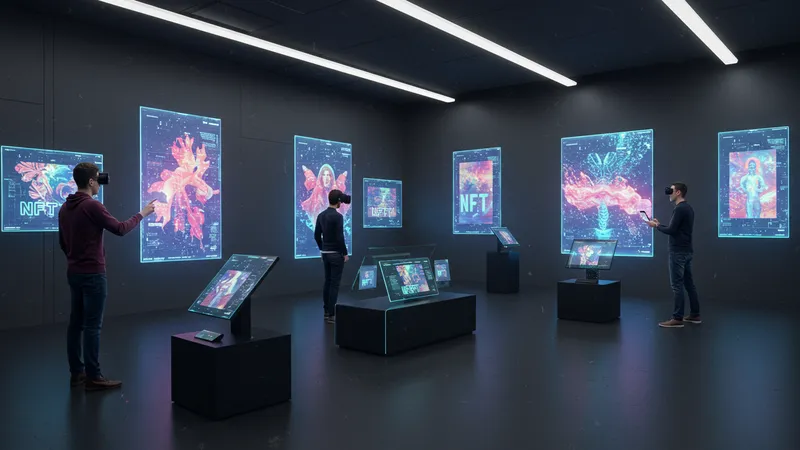
NFTs are digital files representing ownership of unique works. Once mocked as a passing fad, they have crystallized into a unique sector of the art world. The desirability of NFTs stems from their blend of technology, rarity, and consumer demand. Suddenly, art becomes more inclusive, limitless, and redefining its status quo.
Buyers and sellers are abuzz with the potential promised by blockchain, the underlying technology of NFTs, allowing for secure ownership and transfer. Digital art gains not only validity but fervent enthusiasm from tech-savvy millennials to traditional collectors venturing online.
The future is now questioned: How will NFTs influence the future of traditional and digital art economies? With breathtaking possibilities and ongoing controversies, this digital age presents infinite new realms for artists and collectors to explore, defying classic boundaries in art collection.
The influence of fine art extends far beyond visual appeal, shaping culture, expression, and even society's rhythm. These masterpieces capture emotions and moments through history, resonating in ways that change perspectives on human experiences.
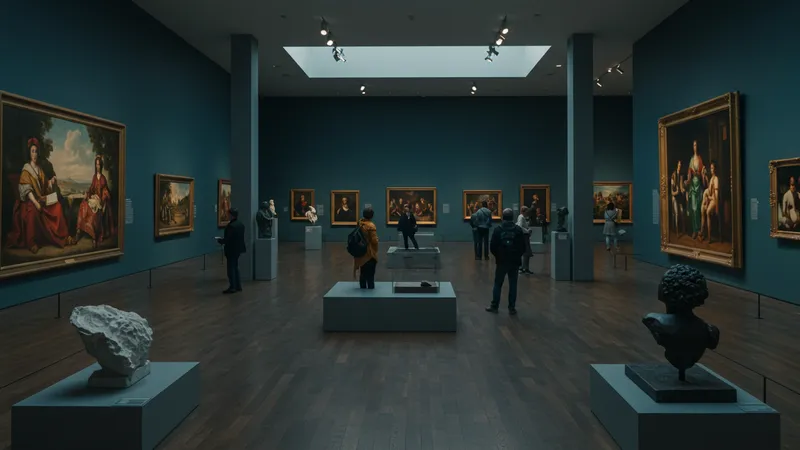
Collecting art becomes more than acquiring objects; it's about preserving history, making statements, and inciting evolution. Museums, historical societies, and educational institutions utilize art collections for education and awareness, often initiating powerful conversations and actions.
Consider how Picasso’s Guernica spoke sharply against war, or how pieces from the Harlem Renaissance showcased African American experiences. Art becomes a vessel that carries voices into the future, resonating throughout generations. It’s a quiet revolution, yet persistent and impactful.
For many collectors, art curation reflects a commitment to narrative preservation. They don’t just invest in art—they take part in creating cultural legacies. What you read next might compel you to view art as more than just decor, but as transformative cultural archives.
Art, like any investment, depends heavily on market rhythms. Timing is crucial, and seasoned investors know when to buy or sell, harnessing market trends to maximize returns. This is no accident; it’s a studied dance of patience and opportunity.
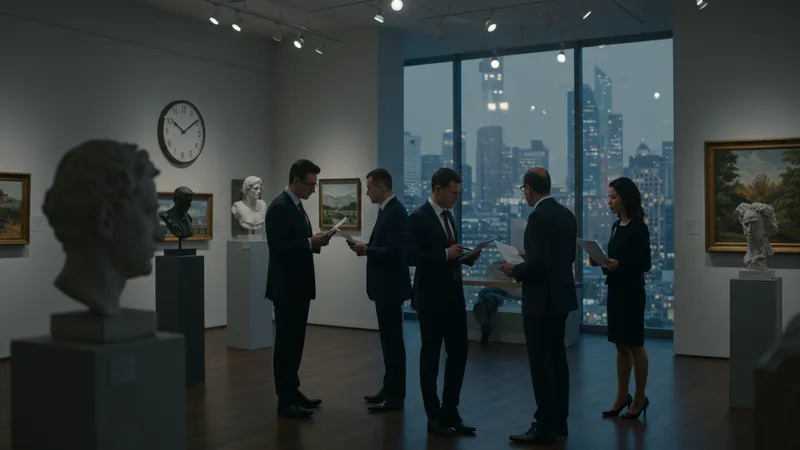
Market conditions fluctuate, influenced by trends, economic climates, and cultural shifts. A well-timed acquisition or sale means understanding what external factors drive demand. Successful investors scan the horizon for signals that impact value, predicting outcomes to act strategically.
Collectors study art fairs, auction reports, and international biennales for cues about upcoming trends. An unexpected Warhol piece can skyrocket in value while others fade out of interest. Timing can be everything in recognizing when a piece is truly at its worth.
Insights from insiders show that those who excel in timing often come out on top. Investing in art isn’t just about the art itself but understanding its place within a broader network of economic and cultural trends, proving that sometimes a single moment defines an artwork's pivotal value.
Ever wondered what truly establishes a piece's value? It’s not just the art, but who claims it. The perception of value often lies in the market’s demographic, the audience it serves, and its perception of prettiness versus profundity.
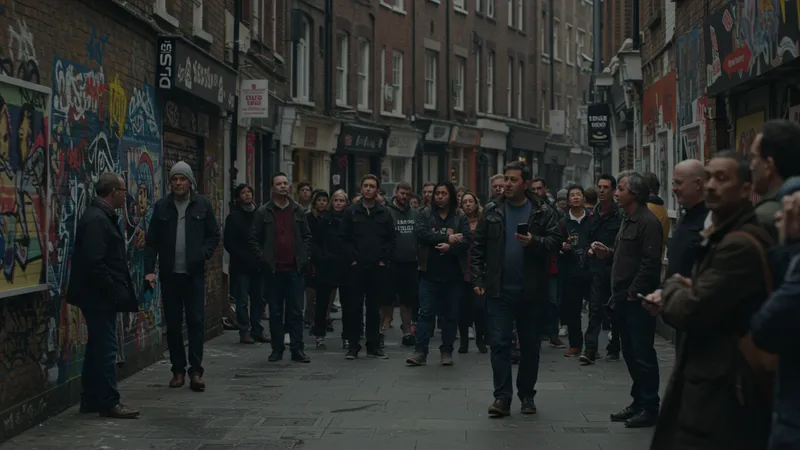
Art that speaks to collectors and audiences can witness sudden booms in popularity and price. Think of how Banksy turned the street art scene into a high-art phenomenon, adding shock value to raw cultural awareness. This transformation redrew the line between art and audience.
Collectors must be attuned to demographic shifts and cultural movements. They’re not just purchasing art; they're buying into the sentiments echoing among audiences. With every acquisition, an audience's expectations and perceptions, dictates a piece’s evolution and stature.
Art becomes a shared experience, where its worth evolves with those it touches. The art market isn’t insulated; it vibrates with the energy of the collective, integrating individual stories and woven into the grand tapestry of human essence and expression.
Today’s art collectors aren't just investors; they’re pioneers exploring new territories and ranges offered by art data technology. These trailblazers leverage big data analytics, AI models, and art market statistics to hone their collecting strategies.

Emerging technology shapes decisions by providing unparalleled insight into market dynamics. Sophisticated algorithms predict trends, allowing collectors to anticipate shifts and seize groundbreaking opportunities. Innovation in this field is as thrilling as any new artistic movement.
These new methods aren’t confined to tech giants; they’re accessible to individuals willing to learn and adapt. This democratization enables collectors to refine their choices using data-backed confidence, revolutionizing art curation in their personal collections.
The question remains: Will this blending of art and science transform how we perceive art collection forever? In this ever-evolving arena, the stories of data blending with artistry tell a bold, unprecedented chapter in the journey of art—a masterpiece in itself yet to be written.
Amidst the transactions, historical significance, and rising benchmarks, one element stands timeless—the human connection to art. Collectors speak of a deeper, often spiritual relationship, transcending mere investment or aesthetics.
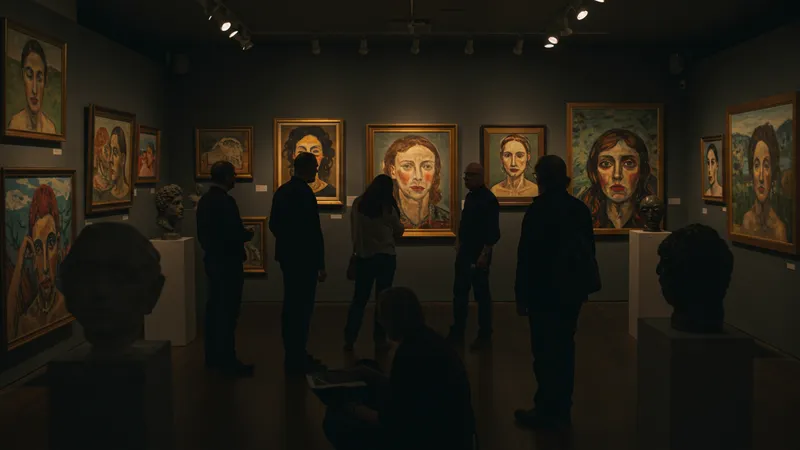
For many, art represents more than beauty or profit; it’s seen as an extension of self, a language of the heart. This intangible yet palpable connection beckons collectors, enchanting them into a lifelong dialogue with pieces that mirror their essence.
Narratives from collectors unfold tales of profound transformations inspired by a single art piece invoking memories, dreams, and desires. These experiences affirm the power of art to anchor one’s journey, to be both compass and companion.
The human stories interwoven with art collecting delineate a personal quest. Whether it’s the art that finds the person or vice versa, each collection narrates a life lived with passion and imprints that continue to resonate. These reflections lie at the heart of why collectors continue this fervent pursuit.
Art is more than just possession—it's a testament to humanity's capacity to cherish, remember, and inspire across time. As collectors curate their legacies, they ensure that art continues to elevate the human experience, bridging history and innovation.
Every masterpiece, every collection, tells a story waiting to be discovered, shared, and celebrated. It’s time to explore this world, reshape perceptions, and bask in the epiphany of art’s transformative magic. Every collection begins with curiosity—what will yours uncover?